
Summer Roofing Checklist for Auckland Homeowners (2026-27)
- Home
- Summer Roofing Checklist for Auckland Homeowners (2026-27)

Our Blogs
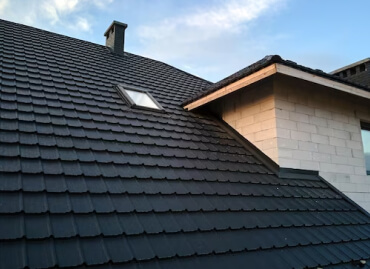
Most Auckland homeowners think about their roof when it is already raining and something is dripping. By then it is the wrong time to fix anything. Summer is the opposite: the weather is more settled, roofers are easier to book, surfaces are dry and small problems are easy to see and easy to fix.
That makes the warmer months the smartest time for roof maintenance in Auckland. A few hours of checking now can catch the faults that winter would otherwise turn into leaks, stained ceilings and rotting timber. This checklist walks you through what to look at, what to clean, what to fix and what to leave to a professional, so your roof goes into next winter in good shape.
Dry surfaces show problems clearly. Rust, lifted sheets, cracked tiles and failed sealant are much easier to spot on a dry roof in good light.
Roofers have better working conditions. Sealants and coatings cure properly in warm, dry weather, and jobs are less likely to be delayed by rain.
You can plan instead of panic. Booking a repair in summer means you can compare quotes and choose a contractor properly, rather than calling whoever answers during a storm.
Winter is the real test. Auckland’s wettest months are the ones that find every weakness in a roof. Fixing those weak points beforehand is far easier than dealing with water damage later.
Summer has its own hazards. Strong UV, heat expansion and the occasional heavy downpour or storm can all stress a roof. Our article on roofing challenges in Auckland’s weather conditions explains how each of these affects roofing materials over time.
A checklist is only useful if you stay safe doing it. Falls from roofs are a leading cause of serious home injuries in New Zealand, so keep these rules in mind.
Everything in the exterior checklist below can be done with binoculars from the ground. Anything that needs you on the roof itself should be handled by a roofing specialist.
Work through the five areas below. Tick off what you can check yourself and note anything that needs a closer look.
Walk around the property and look up at every roof section, ideally with binoculars.
Take photos of anything unusual. Photos make it easy to compare after storms and are useful if you need to talk to a roofer or an insurer.
Flashings are the most common source of roof leaks, so give them extra attention.
If a flashing looks lifted, gapped or stained, do not try to fix it yourself. These are small areas, but they are exactly where water gets in, and a proper repair matters.
Blocked or damaged drainage causes more roof trouble than most people realise, and summer is the ideal time to deal with it.
Clearing gutters from a ladder is only safe on single storey sections with good access and a stable footing. For anything higher or harder to reach, use a professional.
Some of the most useful checks happen inside, not outside. Take a torch into the roof space on a bright day.
Also check ceilings and upper walls inside the house for stains, bubbling or peeling paint, and any new cracks. A stain that was faint in winter can look very different in summer once it has dried.
Trimming trees reduces debris, shade and moisture on the roof, and it removes the risk of branches scratching coatings or breaking tiles in a storm.
Some jobs are reasonable DIY tasks if you stay on the ground or a safe, stable ladder at low height.
Clear gutters and downpipes. Remove leaves and debris so water can flow freely. Check that downpipes are clear all the way to the stormwater connection.
Trim overhanging branches. Cut back anything touching or hanging over the roof, but have a professional handle large trees or branches near power lines.
Wash down the lower roof edges and surrounding surfaces. Rinse off salt, dirt and dust gently with a garden hose. Avoid high pressure washing, which can damage coatings, lift tiles and force water under laps.
Check the roof space. A quick look with a torch every season is one of the best habits a homeowner can build.
Photograph and log what you see. Keeping dated photos each summer gives you a clear record of how the roof is ageing.
Check ceilings and walls. Look for stains, bubbles and smells every few months, not just when it rains.
Do not take on any of these yourself.
Our roof repair service covers these fixes, and our guide to the common roofing problems in Auckland homes and how to fix them shows what typical faults look like so you know what to point out to a roofer.
Different materials need different attention. Here is what to focus on for each.
If you are not sure what roofing you have or how it should be maintained, a professional can identify it and tell you what it needs.
Some findings should not wait until the next scheduled check. If you notice any of these, book a professional look soon.
Our guide to the warning signs that you need immediate roof repair in Auckland explains which of these are urgent and which can be monitored.
A homeowner checklist is a great habit, but it does not replace a professional inspection. Roofers know where leaks hide, what early failure looks like and how to check areas you cannot reach safely.
A good rule is to book one:
Summer is a good time to do it because the roof is dry, access is easier and any repairs can be scheduled without weather delays. Our guide on how often you should inspect your roof in New Zealand explains how to time inspections around your roof’s age and exposure, and our article on how often to schedule roof repairs in Auckland’s climate shows how to plan repair work through the year.
Auckland summers are generally settled, but they are not free of severe weather. Heavy downpours and storm systems can arrive with little warning, and a roof that has not been checked is more likely to be caught out.
Before a storm:
After a storm:
If water is coming in right now, our guide on what to do first in an emergency roof repair situation in Auckland walks you through the immediate steps, and our article on how Auckland’s weather affects roof damage and repairs explains why wind and rain are so hard on local roofs.
Sometimes a checklist reveals more than a few small jobs. Use what you found to think about the bigger picture.
Repair is usually enough when damage is limited to one area or a few components, and the rest of the roof is sound.
Re-roofing may suit when the structure underneath is dry and healthy but the roofing surface itself is worn out. Our re-roofing service covers how this works.
Replacement is worth considering when you are repairing the same roof year after year, corrosion or cracking is widespread, moisture has reached the structure or the roof is near the end of its life. See our roof replacement service for details.
If you are unsure where your roof sits, our comparison of roof repair vs replacement for Auckland homeowners will help you decide.
Use this as a year-round reference so summer is not the only time your roof gets attention.
Summer (December to February):
Autumn (March to May):
Winter (June to August):
Spring (September to November):
Regular attention through the year is what extends a roof’s life. Our guide on how quality residential roofing enhances your Auckland home’s lifespan explains how installation quality and maintenance work together over the long term.
If you manage a commercial property, the same principles apply, with a few extra checks.
Our guide on how to maintain commercial roofs for long-term use goes deeper on upkeep, and our commercial roofing team looks after larger and more complex properties across Auckland.
Metal Staff Roofing has more than 25 years of experience looking after roofs across Auckland. Our licensed roofing specialists inspect the roof surface, flashings, gutters and roof space, then give you honest findings, photos and a clear written quote if anything needs doing.
What you can expect from us:
We look after both homes and businesses, so whether you need residential roofing care or help with a larger property, our team can help.
Want a professional to check your roof before winter? Request a free quote or call us on +64 2108995040.
When is the best time to do roof maintenance in Auckland?
Summer is generally the best time. The weather is more settled, surfaces are dry, sealants and coatings cure well and you have time to fix problems before the wetter winter months.
How often should I check my roof?
A quick visual check from the ground every season and a closer check each summer is a good routine. A professional inspection every one to two years is recommended, and every year for older roofs and coastal properties.
What should I check on my roof before winter?
Look at the roof surface, flashings, ridges, gutters, downpipes and the roof space. Check for missing tiles, lifted sheets, rust, lifted flashings, blocked gutters, damp insulation and ceiling stains.
Can I clean my own roof?
Gentle rinsing from the ground is fine, but avoid high pressure washers, which can damage coatings and tiles and force water under laps. Walking on the roof to clean it is risky, so leave heavy moss and lichen treatment to professionals.
How do I clean my gutters safely?
Use a stable, properly secured ladder at a low height with someone nearby, and never lean out or overreach. For two-storey homes, awkward access or heavily blocked gutters, use a professional.
Does roof maintenance affect my insurance?
Insurers often treat damage from lack of maintenance differently from sudden storm damage. Keeping dated photos and inspection records helps show that the roof has been looked after. Check your own policy for details.
What are the signs my roof needs repair?
Ceiling stains, damp insulation, missing or cracked tiles, lifted sheets, rust, loose flashings, sagging gutters and daylight in the roof space are all signs that you should book a professional look.
Should I fix small roof problems straight away?
Yes. Small faults like a lifted flashing or a few loose fixings are quick to fix, while the same faults left through winter can lead to wet insulation, damaged timber and much bigger repairs.
How do I know if my roof is near the end of its life?
Widespread rust, cracking or brittleness, repeated leaks, sagging and moisture in the roof space point toward a roof that is near the end of its useful life. A professional inspection can confirm this and explain your options.