Affordable Roof Repair Auckland: How to Get Quality Work Without Overpaying
- Home
- Affordable Roof Repair Auckland: How to Get Quality Work Without Overpaying

Our Blogs
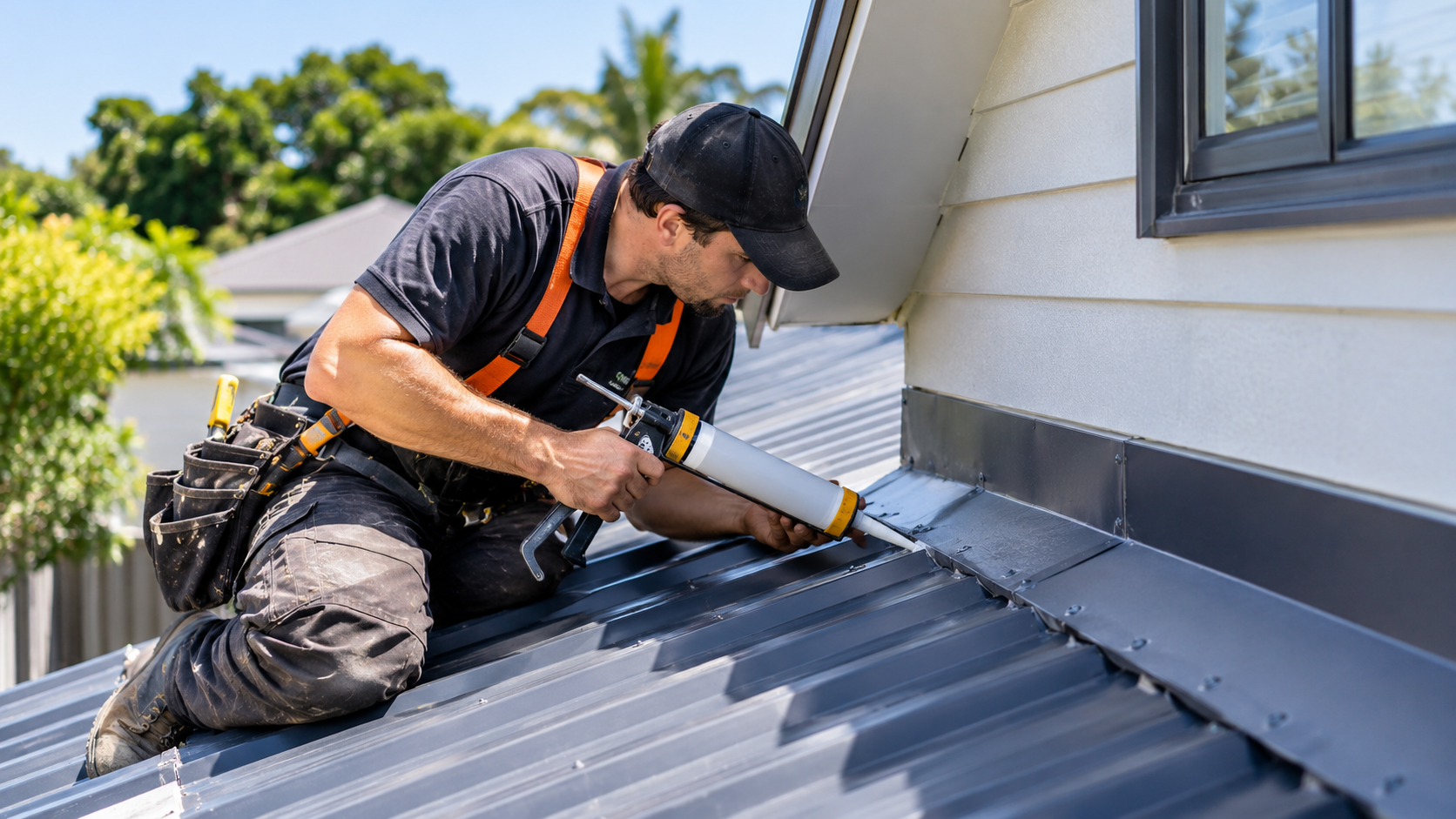
When water is coming through the ceiling, the natural instinct is to find the lowest price and book the first roofer who can turn up. It is an understandable reaction, but in roofing it is also one of the most expensive mistakes a homeowner can make. A cheap repair that fails in the next storm costs you twice: once for the job, and again for the damage and the second repair.
Affordable roof repair in Auckland is absolutely possible. It just does not mean choosing the lowest number on a quote. It means understanding what drives the price, comparing quotes properly, spotting the warning signs of cut-price work and making smart decisions that keep the total cost of ownership down. This guide shows you how.
There is a big difference between cheap and affordable.
Cheap is a low price today, often achieved by skipping steps, using lower-grade materials or leaving the real cause of the leak untouched.
Affordable is a fair price for the work required, from a contractor who fixes the problem properly, so you are not paying again next winter.
The cheapest quote often looks good for about a month. The affordable option looks good for years. When you judge a repair, ask what you will have spent in three years, not just what you will pay this week.
Understanding the price drivers lets you read any quote with confidence. Two homes with a “leaking roof” can have very different bills for good reasons.
The cause of the leak. A failed flashing is a very different job from a corroded sheet or damaged battens. The more complex or hidden the cause, the more time it takes to diagnose and fix.
The extent of the damage. A single localised fault costs less than damage spread across several areas, or water that has already reached insulation and framing.
Roofing material. Metal, concrete tile, clay tile and membrane roofs each need different parts, skills and techniques. Older or discontinued profiles can be harder to match.
Roof pitch and height. Steep or two-storey roofs need more safety equipment and time. Safe access is a legal and ethical requirement, and it is not an area where a good contractor cuts corners.
Access. Tight sites, limited ladder positions or nearby buildings add handling time.
Hidden damage. A stained ceiling often means wet timber or insulation above it. If the leak has been running for a while, repair may include replacing damaged battens or underlay.
Urgency and timing. Planned repairs are generally easier to schedule and price than emergency call-outs after hours or during storms.
Materials and quality. Better sealants, fixings and flashings cost a little more up front and last far longer.
Our guide to the common roofing problems in Auckland homes and how to fix them shows which faults tend to be simple and which tend to be complex, so you know what you might be dealing with.
Roofing is one of the few trades where a low price can hide a lot of missing work. A quote can come in lower for legitimate reasons, such as a smaller scope, but it can also come in lower because something important has been left out.
Here is where cheap quotes typically save money, and what it costs you later.
Patching the symptom, not the cause. A bead of sealant over a leak looks fast and cheap, but if the real fault is a failed flashing or a lifted sheet, the leak returns.
Skipping the roof space inspection. Without checking underneath, a contractor cannot find hidden moisture or confirm that the fix worked.
Using low-grade materials. Cheap sealants and fixings degrade quickly, especially in Auckland’s UV and salt air.
Cutting safety. No edge protection and no proper access put workers at risk and can raise your liability concerns.
No guarantee. If a contractor will not put a workmanship guarantee in writing, you are carrying all the risk.
Hidden extras. A low headline number that balloons once work begins is not really cheap.
The goal is not to find the cheapest roofer. It is to find the fairest price for work done properly.
If you spot several of these warning signs, think carefully before going ahead.
Our guide on why homeowners trust professional residential roofing contractors in Auckland explains what reliable contractors do differently.
Getting two or three written quotes is the single best way to keep roof repair costs fair. The key is comparing them properly.
Describe the problem the same way to each roofer and ask them to inspect the roof. If one contractor is quoting a patch and another is quoting a proper repair, the numbers will not be comparable.
A good quote lists:
Roof repairs sometimes uncover hidden problems. Ask the contractor how they will tell you, how they will price any extras and whether work stops until you approve them. A clear process protects you from surprise invoices.
Put the quotes side by side and ask:
The best quote is usually the one that balances a fair price with the strongest scope and guarantee.
You cannot compromise on the parts of a repair that keep water out, but there are genuinely effective ways to manage the bill.
Act early. The single biggest cost saver in roofing is fixing small problems before they spread. A minor flashing fault costs far less than damaged framing and ceilings. Our guide to the warning signs you need immediate roof repair in Auckland shows which symptoms should never be left.
Stay on top of inspections and maintenance. Regular checks catch problems while they are cheap to fix. Our article on how often you should inspect your roof in New Zealand explains the right timing.
Keep gutters and valleys clear. Blocked drainage causes more roof damage than most homeowners realise, and clearing it is one of the cheapest forms of prevention.
Bundle related work. If you need a roof repair and gutter, fascia or flashing work in the same area, doing it in one visit avoids paying for access and setup twice.
Plan non-urgent repairs. Scheduling repairs outside emergency situations gives you time to compare quotes and book at a normal rate. Our guide to scheduling roof repairs in Auckland’s climate explains how to time it.
Take photos and document damage. If damage came from a storm, clear photos help with insurance claims and can reduce what you pay yourself.
Ask about the cause, not just the cure. A contractor who fixes the root cause saves you from paying again.
Sometimes you cannot wait. If water is coming in right now, a few simple steps reduce the cost of the final repair.
Our guide on what to do first in an emergency roof repair situation in Auckland walks through each step in more detail.
Repair is the economical option when damage is limited and the rest of the roof is healthy. But if you are repairing the same roof over and over, the cheapest long-term option may be something bigger.
Repair usually makes sense when:
Consider re-roofing or replacement when:
Putting more money into a failing roof is not saving money. Our comparison of roof repair vs replacement for Auckland homeowners will help you decide, and if replacement turns out to be right, our guide on affordable solutions for homeowners looking at roof replacement in Auckland covers how to approach that budget sensibly. Where the structure is still sound, re-roofing can sometimes sit between the two.
Small, safe jobs at ground level, like clearing gutters, are reasonable DIY tasks. Climbing onto the roof is a different story. Falls from roofs are one of the leading causes of serious home injuries in New Zealand, and a well-meaning DIY patch can hide the leak, void warranties or cause more damage.
If you are considering saving money by doing it yourself, remember what you are actually saving. A professional repair includes safe access, proper diagnosis, correct materials and a guarantee, none of which you get from a weekend patch job.
Metal Staff Roofing has more than 25 years of experience repairing roofs across Auckland. Our approach to value is simple: find the real cause, fix it properly and charge fairly, so you do not end up paying twice.
Here is what that looks like in practice:
Whether it is a family home or a business property, our team handles both residential roofing and commercial roofing repairs. You can read more about our roof repair service, or see our guide to residential roof repair near you for signs your home may need urgent attention.
Want a fair price from a team that fixes things properly? Request a free quote or call us on +64 2108995040.
How can I get affordable roof repair in Auckland?
Act early, get at least two or three written quotes from licensed contractors, make sure each quote covers the same scope and compare value rather than only price. Fixing small problems before they spread is the biggest cost saver.
Is the cheapest roofer in Auckland a good idea?
Usually not. A very low quote can mean a patch instead of a proper repair, lower-grade materials, skipped safety measures or no guarantee. The cheapest option often costs more once the repair fails and has to be redone.
What affects the cost of a roof repair?
The cause and extent of the damage, the roofing material, roof pitch and access, hidden moisture damage, materials used and whether the job is planned or urgent. A written quote after an inspection gives you a firm number.
How do I compare roof repair quotes?
Check that each quote covers the same scope, lists the materials, explains the cause of the problem, states how extra damage will be handled and includes a written workmanship guarantee. Then compare overall value, not only the total.
How can I tell if a roofer is giving me a fair price?
A fair quote comes after an inspection, is itemised, explains the cause of the leak and includes a guarantee. A price that is much lower than the others, or given without seeing the roof, is a reason to ask questions.
Should I pay a deposit for a roof repair?
A modest deposit to secure a booking can be normal for larger jobs, but be cautious if a contractor asks for most of the payment upfront or insists on cash only.
Does insurance cover roof repairs in New Zealand?
It depends on the cause. Sudden storm damage may be covered, while wear and tear and lack of maintenance usually are not. Check your policy and photograph the damage before any work begins.
Is a roof repair worth it, or should I replace the roof?
If damage is limited and the roof is otherwise healthy, repair is usually the economical choice. If you are repairing the same roof repeatedly, or damage is widespread, replacement is generally better value over time.
Can I repair my own roof to save money?
Ground-level tasks like clearing gutters are fine, but climbing onto a roof is dangerous and DIY patches can hide problems or cause more damage. Leave roof work to licensed professionals.